
This guide was created by the clinical team at Vivid IV Health in Grand Rapids, Michigan, to help you understand what peptide therapy is, how it works, and whether it may be right for you. Whether you are new to the topic or already researching specific protocols like BPC-157 or Sermorelin, this page addresses the questions we hear most often in consultation. Vivid IV Health is a clinician-led medical practice, not a franchise or national telehealth brand, and our answers reflect real clinical experience. To speak directly with our team, contact Vivid IV Health in Grand Rapids to schedule a consultation.
What is peptide therapy?
Peptide therapy refers to the clinical use of short-chain amino acid sequences, called peptides, to support specific physiological functions in the body. Peptides are naturally occurring signaling molecules, and therapeutic peptides are designed to mimic or stimulate processes such as growth hormone release, tissue repair, and metabolic regulation. At Vivid IV Health, peptide therapy is prescribed and supervised by Mike Balk, FNP-C, a board-certified Family Nurse Practitioner with nearly two decades of clinical experience. Individual results may vary based on health status, protocol, and consistency of use.
How does peptide therapy work?
Peptides work by binding to specific receptors in the body and signaling cells to carry out targeted functions. Growth hormone-releasing peptides like Sermorelin and Tesamorelin, for example, signal the pituitary gland to produce more growth hormone naturally rather than introducing synthetic hormones directly. BPC-157 is studied for its potential role in tissue and joint recovery, while AOD-9604 is referenced in research related to metabolic signaling pathways. Because each peptide has a distinct mechanism of action, our clinical team selects protocols based on your individual health goals and lab work.
What concerns may peptide therapy help address?
Peptide therapy is commonly explored for concerns including age-related decline in energy and physical recovery, reduced muscle tone, disrupted sleep, slower tissue repair, and suboptimal metabolic function. Research suggests that specific peptides may help support growth hormone output and promote cellular repair, though outcomes vary by individual and protocol. Peptide therapy is not a replacement for foundational medical care and is best used as part of a broader, clinician-supervised wellness plan. To explore how peptide therapy fits into a personalized approach, review our peptide therapy services at Vivid IV Health.
Am I a good candidate for peptide therapy?
Candidacy depends on your current health status, symptoms, lab values, and wellness goals. Patients who tend to benefit most are generally adults experiencing fatigue, recovery challenges, or signs of hormonal decline who are otherwise in stable health and committed to a supervised protocol. At Vivid IV Health, all peptide therapy begins with a clinical consultation and a review of relevant labs. We do not offer one-size-fits-all protocols. If you are also experiencing symptoms consistent with low testosterone, your provider may recommend reviewing our testosterone therapy options for men alongside peptide therapy.
Who is peptide therapy most appropriate for?
Peptide therapy tends to be well-suited for health-focused adults who are looking for clinically supported tools to help maintain energy, physical performance, recovery, and overall function. Many of our patients are professionals, business owners, or active individuals who have noticed gradual changes in how they feel and recover. Peptide therapy is not appropriate for individuals with certain cancers, active infections, or during pregnancy. Your provider at Vivid IV Health will review your complete health history before recommending any protocol. Appropriateness is determined on a case-by-case basis.
Which peptides does Vivid IV Health offer?
Vivid IV Health offers a curated selection of peptides chosen for their relevance to the clinic’s core focus areas: body composition, recovery, and long-term wellness. Current offerings include:
AOD-9604: A peptide fragment derived from human growth hormone, referenced in research related to metabolic signaling pathways. Patients interested in body composition often explore AOD-9604 as part of a clinician-guided protocol alongside lifestyle interventions.
BPC-157: A synthetic peptide derived from a sequence found in a naturally occurring protein in the body, referenced in ongoing scientific research related to cellular signaling pathways and frequently discussed in the context of recovery and musculoskeletal support.
BPC-157, KPV Amidate, & Thymosin Beta-4 Blend: A multi-peptide blend combining three compounds each referenced in scientific research. BPC-157 contributes its cellular signaling properties, KPV Amidate is a synthetic tripeptide referenced in research exploring peptide signaling and physiologic regulation, and Thymosin Beta-4 is a naturally occurring peptide referenced in literature related to cellular communication and repair mechanisms.
Sermorelin: A growth hormone-releasing hormone analog that works by stimulating the pituitary gland to support the body’s natural production of growth hormone. One of the more established peptides in clinical wellness practice, commonly discussed in the context of age-related changes in body composition, sleep, and recovery.
Tesamorelin: A growth hormone-releasing factor analog with a well-documented research profile, studied particularly for its effects on visceral fat. Patients with body composition goals, especially related to abdominal adiposity, may find Tesamorelin a relevant option to discuss during their consultation.
Frequently Asked Questions About Peptide Therapy in Grand Rapids: Your Questions Answered
What can I expect at my first consultation?
Your initial consultation involves a thorough review of your health history, current symptoms, and goals. Mike Balk, FNP-C, will discuss which peptides may be relevant to your situation and order appropriate lab work if not already on file. There is no pressure to commit to a protocol during the first visit. Our approach is to give you enough clinical context to make an informed decision. Same-week appointments are typically available and no referral is required.
How long does a protocol typically last, and when might results be noticeable?
Most peptide therapy protocols are designed to run for a minimum of three to six months, depending on the peptide and the goals being addressed. Some patients notice improvements in sleep quality and energy within the first several weeks, while changes in body composition or tissue recovery may take longer. Peptide therapy works gradually and supports the body’s own processes rather than producing immediate dramatic shifts. Consistency and clinical monitoring are important factors in outcomes. Your provider will help set realistic expectations based on your specific protocol and starting point.
Is there any downtime after peptide therapy?
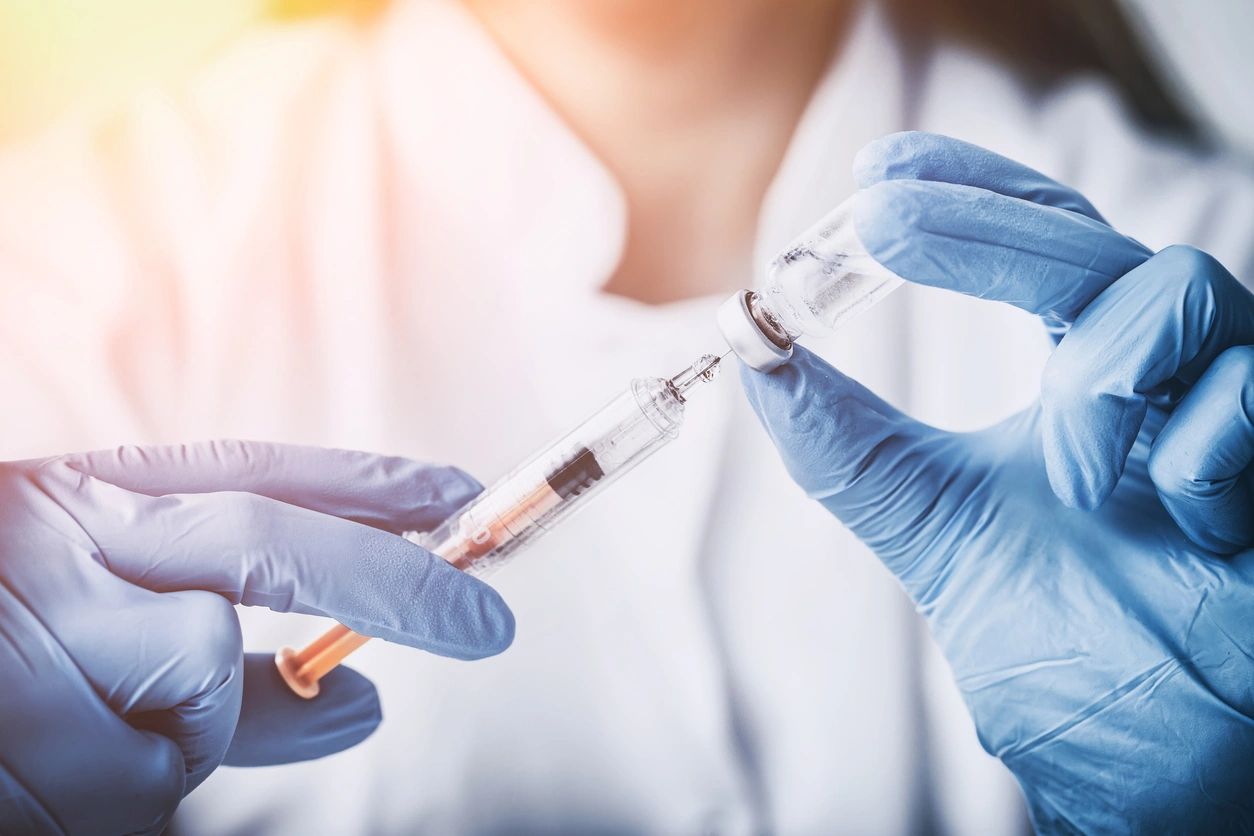
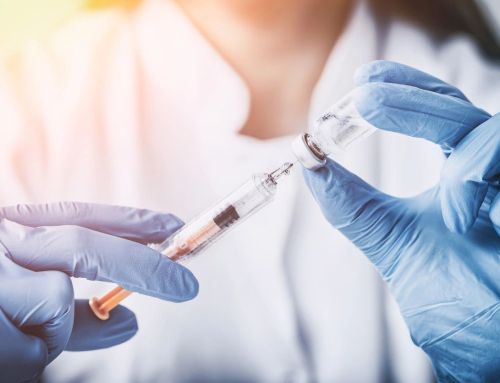
Most protocols involve self-administered subcutaneous injections, which are well-tolerated by most patients and carry minimal downtime. Injection site reactions such as mild redness or temporary discomfort are possible but generally minor and short-lived. Our clinical team provides thorough instruction on proper administration technique so patients feel confident managing their protocol at home. Unlike surgical or more invasive procedures, peptide therapy does not require recovery time away from work or daily activity.
Is peptide therapy safe?
Peptide therapy has a generally favorable safety profile when prescribed and monitored by a qualified clinician. As with any compound, risks exist and appropriateness depends on individual health status. Many peptides used in clinical wellness settings are not FDA-approved pharmaceutical drugs and are typically compounded, placing them in a regulatory gray area that your provider will explain clearly during your consultation. At Vivid IV Health, transparency about what we do and do not know is part of every patient interaction. We do not prescribe peptides without clinical oversight, and we do not use language that overstates what the evidence supports.
How much does peptide therapy cost?
The cost of peptide therapy at Vivid IV Health varies based on the specific peptide or combination protocol prescribed, the duration of the program, and whether additional lab work or follow-up visits are included. Vivid IV Health is a cash-pay practice with transparent pricing, and HSA and FSA funds are accepted. Third-party billing is available for lab work. Pricing is reviewed directly with your provider during your consultation so you have a clear picture of what your protocol involves before committing.
What makes Vivid IV Health different from other providers in Grand Rapids?
Vivid IV Health was founded by Mike Balk, FNP-C, a board-certified Family Nurse Practitioner with nearly two decades of clinical experience and an 11-year background as a hospital-based RN. The practice is supported by Dr. Bray, a board-certified Anesthesiologist and U.S. Army veteran with more than 15 years of local practice in Grand Rapids. Unlike franchise models or national telehealth brands, Vivid IV Health is independently owned, physician-supported, and committed to personalized care. Our registered nurses, Libby and Callie, contribute deep expertise in clinical administration and patient education. We are transparent about pricing, realistic about outcomes, and focused on patients as individuals.
Ready to find out if peptide therapy is right for you?
The next step is a one-on-one consultation with our clinical team in Grand Rapids. No referral is required, same-week appointments are available, and HSA and FSA are accepted. Schedule your peptide therapy consultation at Vivid IV Health today, or call us at (616) 350-9123 to speak with our team directly.



 Text Us Directly! (616) 208-4142